1 Nov 2026
Mapping Loyalty Levels: Thresholds and Cashback Rewards in Multi-Casino Networks
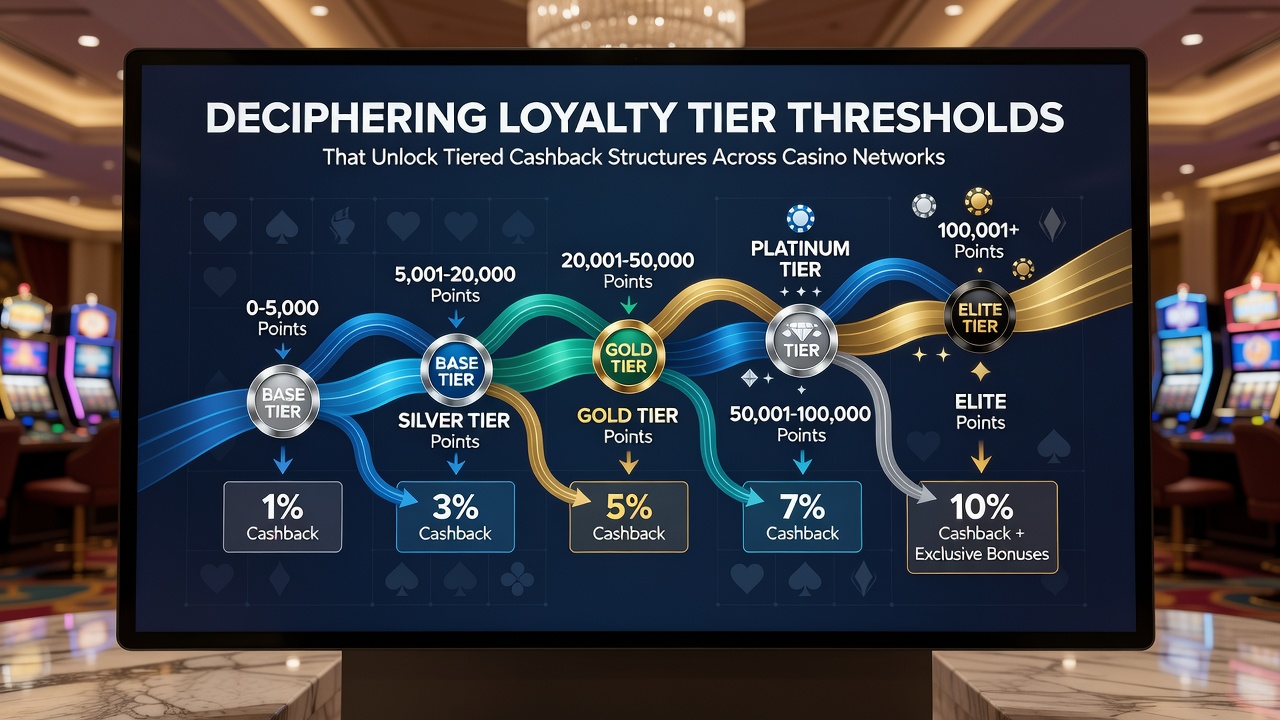
Operators across multiple jurisdictions structure loyalty programs around progressive tiers that unlock enhanced cashback rates once players meet defined activity thresholds, and these systems operate on networks spanning several casino brands under shared management. Points accumulate through wagers placed on slots, table games, and live dealer options, with each tier requiring a specific volume of play or deposit activity within a rolling period that often spans 30 to 90 days.
Core Mechanics Behind Tier Qualification
Entry-level tiers typically activate after minimal engagement such as a first deposit and initial wagering rounds, whereas mid-tier access demands consistent volume that researchers at academic institutions have tracked through anonymized transaction datasets. Higher tiers impose stricter benchmarks including minimum monthly deposits combined with game-type multipliers, so slots might contribute one point per dollar wagered while blackjack contributes at a reduced rate due to lower house edges. Networks apply these calculations uniformly across affiliated sites to maintain consistency for members who shift between platforms.
Examples of Threshold Structures
One prominent network requires 5,000 points for silver status that delivers 3 percent cashback on net losses, then escalates to 25,000 points for gold status granting 7 percent returns plus accelerated point earning on select titles. Platinum and diamond levels follow with 75,000 and 150,000 point gates respectively, each adding layers such as monthly cashback caps raised from 500 to 5,000 units and priority support access. Observers note that these ladders mirror patterns documented in reports issued by the New Jersey Division of Gaming Enforcement, where aggregated operator data reveals tier distribution across thousands of active accounts.
Points reset or carry over depending on network policy, and some programs introduce seasonal multipliers during peak months that compress the timeline needed to cross thresholds. Data from industry associations shows that roughly 15 percent of participants reach gold or higher within their first year when they focus on high-contribution games and maintain steady deposit schedules.
Regional Variations Across Global Networks
European operators often tie cashback tiers to verified identity and responsible gaming markers, whereas North American and Australian platforms emphasize wager volume with fewer identity hurdles beyond initial verification. A study published through the University of Nevada, Reno gaming research center tracked how threshold adjustments in 2025 affected retention rates, finding that networks lowering mid-tier entry points by 20 percent recorded measurable increases in monthly active users. Those adjustments coincided with broader platform integrations that allowed points earned on one brand to count toward network-wide progression.
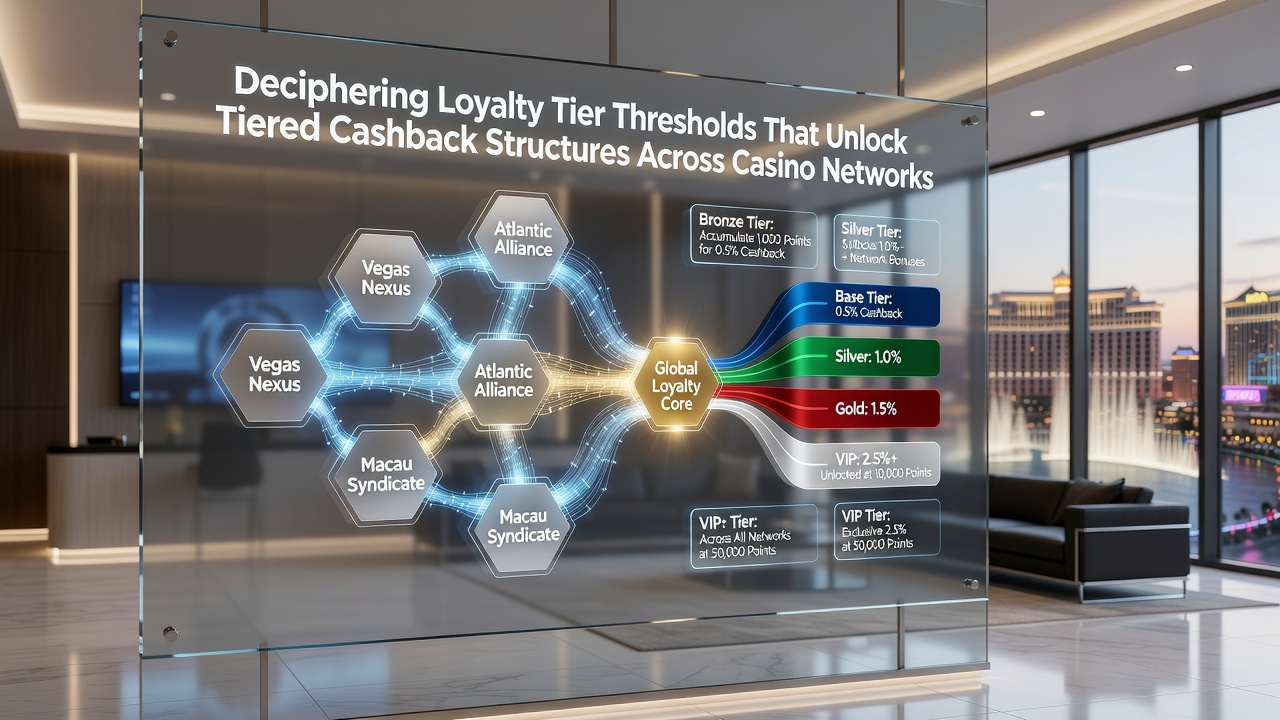
November 2026 brought updated transparency requirements in several Canadian provinces that compelled operators to publish exact tier thresholds and cashback formulas in player-facing dashboards. Similar disclosures already exist in parts of Asia where regulators mandate clear communication of how play volume converts into reward eligibility. These changes enable players to calculate projected returns more accurately before committing substantial bankrolls.
Integration With Broader Reward Ecosystems
Cashback structures rarely stand alone; they intersect with free spin allocations, reload bonuses, and event-specific promotions that networks time around major sporting calendars or game releases. When a player qualifies for a new tier, the system automatically recalculates ongoing cashback rates on losses incurred after the qualification date rather than retroactively. This forward-looking application prevents disputes and aligns with standard practices outlined in compliance guides from the Malta Gaming Authority.
Networks also layer VIP managers onto top tiers, providing personalized threshold reduction offers or bonus point grants that accelerate progression without altering published requirements for the general player base. Such targeted adjustments appear in internal operator reports but remain invisible to those outside the highest levels.
Conclusion
Loyalty tier systems across casino networks function through clearly defined point thresholds that scale cashback percentages in direct proportion to sustained activity. Players who monitor their progress against published benchmarks can align wagering patterns with desired reward levels, while regulatory updates in multiple regions continue to standardize how these structures are presented and verified. The resulting framework supports retention across affiliated sites without requiring separate enrollment for each brand.